Surface collection
Catch Basin Installation in Birmingham, AL
A catch basin is the drain inlet for surface water. It takes the flow that is already arriving at one point and hands it to a pipe.
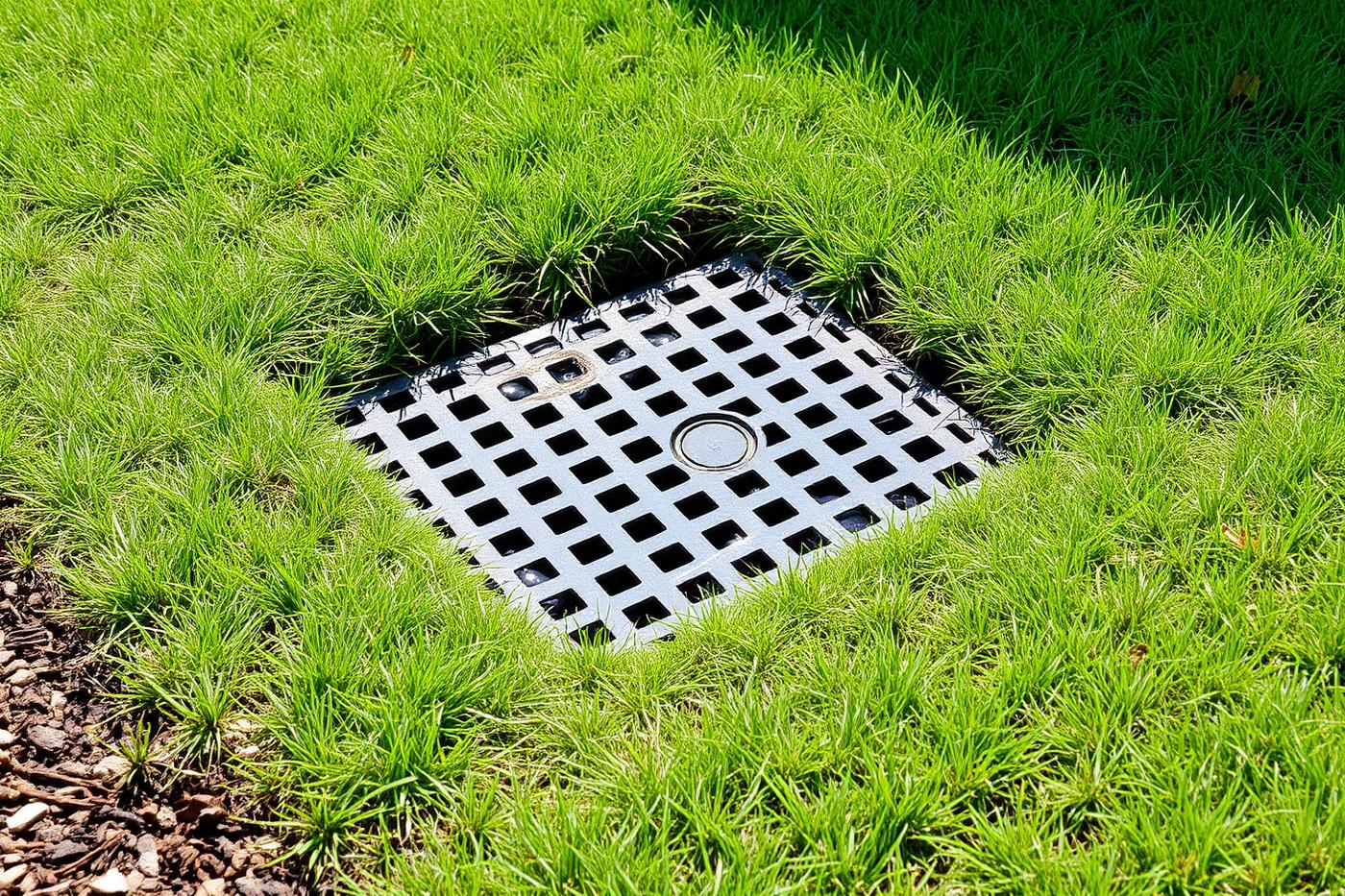
When water sheets across a yard or a driveway apron, it eventually finds a low point. A catch basin placed at that point gives the water somewhere to go instead of sitting there. Below the grate, a sump traps silt and debris so the pipe downstream stays clear.
Catch basins are frequently the least invasive component in a drainage plan. They do not require a long trench across the lawn — only an excavation at the collection point and a pipe route to the discharge.
Process
Installation sequence
1. Locate the true low point
The basin is set where the water actually arrives, verified against surrounding grades.
2. Excavate and set the basin
The body is bedded so the grate finishes flush with the surrounding surface.
3. Connect the outlet pipe
Solid pipe is run with fall toward the discharge location.
4. Shape the surrounding grade
The immediate area is contoured so water is directed into the grate, not around it.
5. Restore the surface
Sod, stone or hardscape edging is put back around the finished inlet.
Symptoms
Where catch basins earn their place
- One repeating puddle in a lawn depression
- Water collecting at the bottom of a sloped side yard
- Runoff pooling at the low corner of a driveway or turnaround
- Patio or walkway edges that hold water after storms
- A landscape bed that floods each time it rains hard
Honest scoping
When a basin alone is not the answer
- Widespread saturation across a large area is not a point problem — a trench system or regrading usually fits better.
- If there is no outlet lower than the basin, capture accomplishes nothing; the discharge has to be solved first.
- For sheet flow across a driveway or garage entrance, a linear channel drain intercepts far more water than a single square inlet.
Diagnosis
What sends water to that spot
Terrain convergence
Two slopes meeting create a natural collection point that has no outlet.
Hardscape shedding
Driveways, patios and walks absorb nothing and dump their entire volume at one edge.
Settled ground
Backfill over old utility work or foundation excavation settles and creates a new bowl.
Roof concentration
Downspouts discharging nearby feed a fixed point on every storm.
Birmingham Metro
Birmingham context
On the metro's sloped lots, catch basins often work as relay points: one at the top of the wet area, one at the bottom, connected by pipe running down the natural fall of the property.
Heavy storm bursts move a surprising amount of silt and pine debris into an inlet, so sump depth and grate style matter more here than in low-rainfall regions.
Questions
Frequently asked
A single catch basin with a pipe run is commonly estimated around $1,000–$3,000+, depending on depth, pipe distance and restoration. These are estimates, not quotes.
Budget
What moves the price
Every project is priced on site conditions. These are the factors that push a project up or down within the estimated ranges in our Birmingham cost guide.
- Number of basins and their size
- Excavation depth and soil condition
- Pipe length to the outlet
- Grate type and finished surface material
- Hardscape cutting or replacement
- Access for equipment and spoil removal
Want a figure for your specific property? Submit the project details and they can be reviewed by a professional serving your area.
Request a Drainage EstimateProject request
Request Local Drainage Pricing
Two short steps. Share your ZIP code and the drainage problem, then your name and phone number so the request can be reviewed locally.
- ■No obligation and no cost to submit
- ■Takes less than a minute
- ■Your phone number is private form data